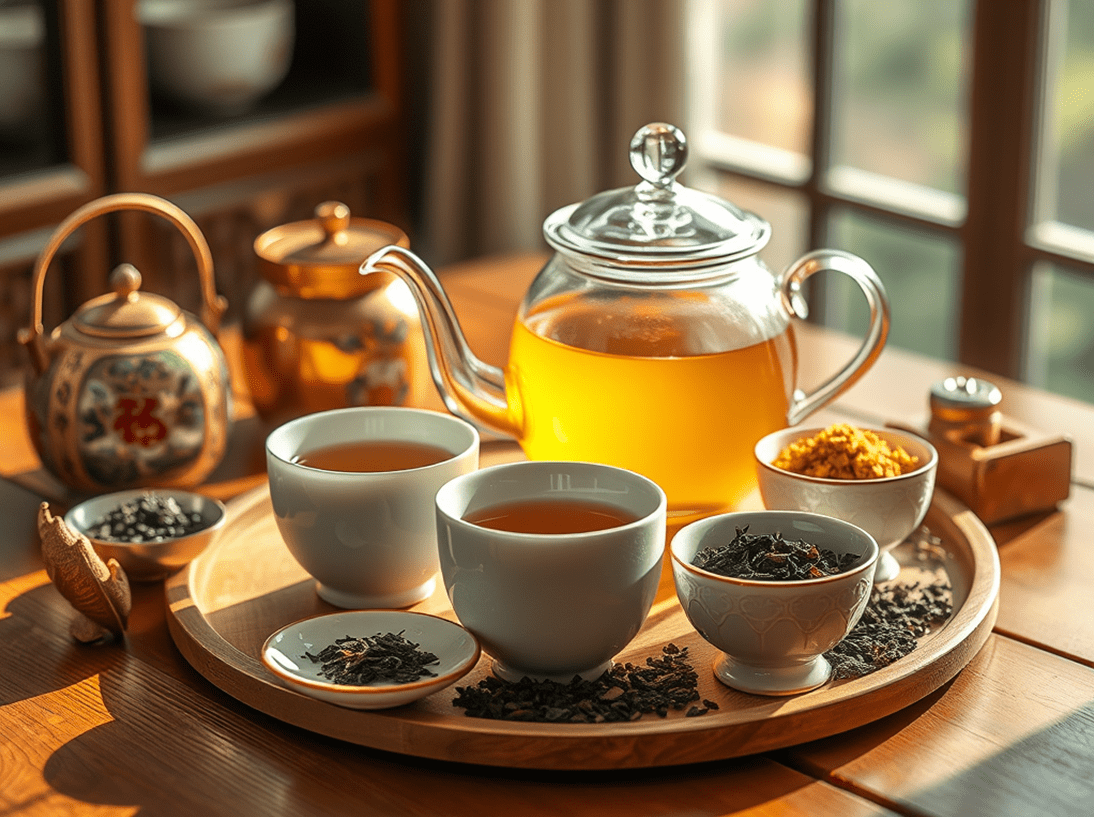
Among the variety of liquids consumed by humans Water is by far the Number 1 refreshment, nutritious and necessary drink ever. Drinking Water is normally just this: a transparent newtonian liquid of low viscosity with a lot of nutritious minerals, it has no taste, basically no color, no smell , it is just clean and cool. After water the 2nd most consumed refreshment drink by humans is TEA. I sometimes hear that Coca-Cola is mentioned to be the 2nd most consumed refreshment drink, but let’s remember how Coca-Cola started? It did start exactly like a tea.
In fact Coca-Cola is nothing but a type of tea but served always cool, it has lot of sugar and must be carbonated, and of course is not healthy. I don’t quite understand why Coca-Cola is considered the 2nd, it’s a completely false narrative. Anyway, for me Cola is just a famous refreshment drink but definitely not the 2nd after water. I do drink a cup of Cola sometimes but I always prefer a cup of water or a cup of good tea. While Cola can be named a cold type of tea, the real tea instead is mostly served hot, it’s not necessary sweet and after water, tea is the oldest refreshment drink in history ever consumed by humans.
The history of tea spreads across multiple cultures over the span of thousands of years. An early credible record of tea drinking dates back to the 3rd century AD, with the tea plant Camellia Sinensis originating from the land between today’s northeast India, north Burma, southwest China, and Tibet, one of the earliest tea drinking is dated back to China’s Shang dynasty, in which tea was consumed as a medicinal drink.
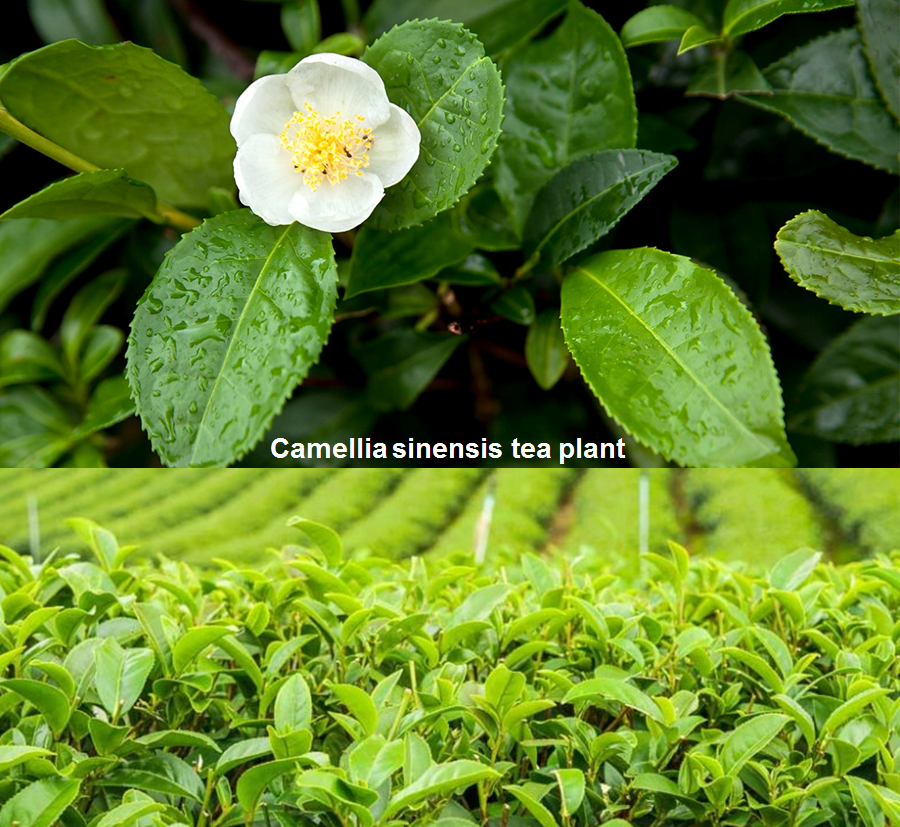
Tea, first became known to western civilization through Portuguese priests and merchants in China during the early 16th century. Drinking tea became popular in Britain during the 17th century and the British introduced tea production, as well as tea consumption, to India, in order to compete with the Chinese monopoly on tea and since then it continues to be like that.
Nowadays, people drink tea in every European country but Tea is known in Europe as the official drink of Britain. Well… probably this is a little bit of overstatement because me too a love to drink tea since I was little kid and I am not British. We drink a lot tea in France too, Romania as well, even Germany drinks tea despite of them being known a beer drinkers.
However, let me briefly share with you my British experience with tea. When I was in London for the 1st time many years ago, I have discovered a new way of drinking tea. In my regular tea drinking routine I drink hot tea with a little spoon of sugar or honey and sometimes I add a piece of lemon. But in the UK they also drink it with milk. Hmmm…. to me that was weird and new. So I wanted to try it out and surprisingly was not so bad at all, it was really good actually. However not so good to make me change my tea drinking preference. I keep my tea drinking habit simple, just tea, with a little bit of honey or brown sugar but without milk.
During my time in the UK I’ve learned that when they add milk to your cup is a big bone of contention in Britain. There are those who advise you adding it before pouring the tea in your cup, so that the droplets of milk will be gently heated as more and more hot tea is added. This keeps the milk proteins from reaching temperatures that would transform their molecular structure, denaturing them, and giving the milk a curdled “‘off” flavour. Some people also argue that pouring the milk in, first protects ceramic tea cups from the thermal shock of the hot tea, thus keeping them from cracking; even if this was historically true, it’s no longer an issue, as modern ceramics are much stronger now. But, for others, the very notion of pouring the milk in first is anathema. In their perfect cup of tea, you put the tea in first, and then you add milk.
The Tea is indeed a great special refreshment drink. If you only make yourself a cup of tea that’s ok, you know better what’s good for you. But if you do it for someone else then it must create a relaxing experience and making good tea is an Art, you must know how to do it. We drink tea everywhere – usually in the morning at home, at our workplaces, and is also the most served type of drink when for instance we travel by plane. I sometimes drink tea when I travel by plane, too. I do it mainly before boarding but when the flight is long I also order my cup on board during the flight. Here I have another story to share from my personal experience with tea. In one of my flights to USA from Europe the following scene happened, real story:
I was patiently sitting on my spot when the flight attendants started to serve refreshments on board. When they were close to me one of the flight attendant asked me: “Tea or coffee, sir?”. Most of the blinds were down in the aircraft cabin, but the gloom was punctuated with shafts of light from a few uncovered windows, revealing an unsettling sun outside. We were 6 hours into an 11-hour flight; and a general feeling of lethargy prevailed. In normal days when I am at my workplace for example I like coffee; in fact, I love coffee. I often drink it black, as a stimulant, not for refreshment. But while being on board at 12.000 meters altitude, I didn’t feel like being stimulated. On the other hand, tea made by someone who doesn’t know how to make it, is worse than a bad cup of coffee. Why is that? Well…To me tea must be made with hot water when served. So I asked the flight attendant : “Is it hot? I mean is it made with really hot water?”… but because there a was a noise in the cabin from the plane engines I guess the flight attendant either ignored me or just didn’t hear my question he started to pour the tea in a cup and served me.
Good. But, What should a cup of tea taste like? What I’m looking for with my first sip is a savoury briskness that ignites all my taste buds: not in a show-off cappuccino-with-froth-and-chocolate-sprinkles kind of way, but in a subtle, determined wave of lapping pleasure, the kind that elicits an involuntary, audible ‘ah!’ of satisfaction. Colour is important of course; a black tea needs to be gloriously golden and transparent, and not so dark that I can’t see the bottom of the cup. Ideally, I’d like to spot this before the tea has been served to me, while it’s being poured out of a teapot. I also want to hear the gurgle of the liquid filling the cup, reminding me of all those moments in my life when I’ve been at home with my family, drinking a cup of tea at the kitchen table. So with all that anticipation brewing, I took a sip. To be honest it was horrible. The tea tasted like a warm cup of flat Coke, but without the sweetness. I tasted it again to see if l’d missed anything. This time I got a twang of the unpleasant plastic taste of the cup.
But again, as I said earlier, making a good tea is an Art. Black tea brewed for 5 minutes at 100°C will develop a dark, strong flavour, with a typical caffeine content of 50 mg per cup (compared to 100mg for normal coffee). This, though, is where brewing tea on board an aircraft can become problematic. At 12.000 meters height, the pressure inside the cabin is lower than the atmospheric pressure at sea level, which lowers the boiling point of water, affecting the flavour of the brew.
Here’s the thing about tea: because it’s so complex, and there are so many variables that can affect its flavour profile (the kind of tea, the water, the brew time, and the temperature of the water), it’s quite easy to lose your focus, and as a result get a cup of tea that tastes completely unlike the cup you were hoping for.
And that’s exactly what had happened to the cup of tea I was currently drinking on board during my flight to the USA. The air stewards had done their best, compensating for the lower boiling point of the water on the plane with a longer brew time, and by making the tea in a warmed, tall, stainless-steel pot, which kept the temperature of the tea high throughout the brew process. But it had taken them a while to get to me with their trolley, probably 15 minutes or so since they brewed the tea, and all that time it had just been sitting there, getting cooler and less flavourful by the second. When they finally poured it into my little plastic cup, it had lost most of its fruity and leafy flavours; it had plenty of savoury quality, but it was cold, bitter and acidic, and the cup itself had a distinct and sharp flavour. All of this meant that I didn’t get that refreshing, thirst-quenching experience I’d been hoping for; quite the reverse – it was borderline disgusting. I should never have ordered it.
But then I made another mistake. I thought I might be able to rescue the cup of tea, from the disappointing, boring brown liquid into something palatable, by using the contents of the little plastic bag they’d given me. As It was a British airline I ordered milk too so I opened the cylindrical tub of milk, and poured it into the cup, using the polystyrene stick to stir the mixture. The colour of the tea turned from dark brown to milky ochre – a very pleasing colour.
I usually don’t mix milk with tea. I drink milk separately, or usually I add a little milk to my cup of coffee, but when sometimes I do take it with tea then I like milky tea Cow’ s milk is sweet and contains a good amount of salt and fat. The fat in milk is shaped in small droplets, about 1/1,000th of a millimetre in size, and they give a lot of flavour and rich mouth-feel to the milk. When milk is poured into tea those droplets of fat disperse, dominating the colour and taste of the drink. They give it a malty, almost caramel flavour, and add a creaminess to the mouth-feel that opposes tea’s natural astringency.
They also absorb a lot of the flavour molecules in the tea, reducing the fruitiness and bitterness, but making it creamier. My cup of tea during that flight tasted terrible; the brewing temperature was too low, it was made from a bag, it had cooled down as the pot went down the aisle, the cup it was served in tasted of plastic, and the noise of the cabin dulled my senses so that whatever dismal flavour the tea had was muted. It was never going to give me that sense of contemplative stimulation I craved. In hindsight, I should have ordered coffee instead. Its stronger basic tastes stand up better to the cacophony of the cabin, its brewing temperature is more suited to 12.000 meters, and the filter method used on aeroplanes
produces a balanced cup of coffee, albeit not the deepest flavour. Therefore I learned my lesson. Since that episode, I never drink tea on board. Next time when the flight attendant asks me “What would you like to drink sir?” I will simply say “a glass of cold water, please.”
 Computer Aided Design & The 118 Elements
Leave a comment